



Butterfly Pea Flower
Traditional Uses, Natural Colour & Modern Research
Butterfly Pea Flower is one of nature’s most distinctive botanical ingredients—naturally vibrant blue, remarkably versatile and famous for changing colour when citrus is added.
From traditional Southeast Asian kitchens to modern cafés, its striking colour and mild flavour have made Butterfly Pea a fascinating ingredient for teas, lattes, smoothies, baking and creative recipes.
This guide explores what Butterfly Pea Flower is, why it is naturally blue, how it has traditionally been used, and what modern research is investigating.
What is Butterfly Pea Flower?
Butterfly Pea Flower (Clitoria ternatea) is a naturally vibrant blue flower traditionally enjoyed throughout Southeast Asia as a herbal infusion and culinary ingredient.
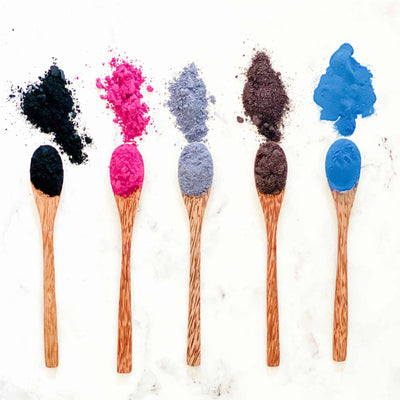
Its unique blue colour comes from naturally occurring anthocyanins, which also create its famous colour-changing effect when citrus is added.
Today, Butterfly Pea Flower is used in teas, lattes, smoothies and baking to create naturally colourful recipes that are as beautiful as they are enjoyable.
At a Glance
- Botanical name: Clitoria ternatea
- Origin: Tropical Asia
- Colour: Naturally vibrant blue
- Flavour: Mild and earthy
- Best for: Teas, lattes, smoothies and baking
- Caffeine: Naturally caffeine free
Why is Butterfly Pea Flower Naturally Blue?
One of Butterfly Pea Flower’s most remarkable features is its naturally vibrant blue colour.
The colour comes from naturally occurring plant pigments called anthocyanins, including a distinctive group known as ternatins.
What makes these pigments particularly fascinating is their response to acidity.
Add lemon or lime and the colour can transform from:
Blue → Purple → Pink
This is a natural response to changes in pH—not artificial food colouring.
At a Glance
- Naturally vibrant blue
- Contains anthocyanin pigments called ternatins
- Changes colour when acidity changes
- Citrus can shift blue into purple or pink
- No artificial colour is required to create the effect
Traditional Uses Around the World
For generations, Butterfly Pea Flower has been enjoyed throughout Southeast Asia as both a herbal infusion and a natural food colouring.
Its blue petals have traditionally been used to colour foods including rice, sweets, desserts and beverages.
In Thailand, Malaysia, Singapore and neighbouring regions, Butterfly Pea remains part of traditional culinary culture and is still widely used today.
Its mild flavour allows the colour to take centre stage without dominating the other ingredients in a recipe.
At a Glance
- Traditionally used throughout Southeast Asia
- Enjoyed as a herbal infusion
- Used to naturally colour food and beverages
- Found in rice dishes, desserts, sweets and drinks
- Mild flavour makes it highly versatile
Modern Uses: How to Enjoy Butterfly Pea Flower
Today, Butterfly Pea Flower has become a favourite ingredient in kitchens and cafés around the world.
Its naturally vibrant blue colour, mild flavour and colour-changing properties make it an easy way to add creativity to everyday food and drinks.
Popular Ways to Use It
✔ Herbal teas and iced teas
✔ Blue lattes
✔ Lemonades and sparkling drinks
✔ Smoothies and smoothie bowls
✔ Overnight oats
✔ Chia puddings
✔ Pancakes and waffles
✔ Cakes and desserts
✔ Baking
✔ Naturally coloured rice and sweets
Why It's So Versatile
Butterfly Pea Flower has a relatively mild, earthy flavour, allowing it to complement other ingredients rather than overpowering them.
Its naturally vivid colour also means a small amount can create visually striking food and drinks without relying on artificial blue colouring.
What Does Modern Research Say?
Butterfly Pea Flower has attracted growing scientific interest because it naturally contains anthocyanins, including a unique group known as ternatins. These naturally occurring plant pigments are responsible for the flower's vibrant blue colour and are one of the reasons researchers continue to study Butterfly Pea Flower.
Anthocyanins are naturally found in many colourful fruits, vegetables and flowers, including blueberries, blackberries, purple cabbage and black rice. They are recognised for their antioxidant activity and continue to be studied for a range of biological properties.
Butterfly Pea Flower is particularly unique because it contains ternatins—a distinctive group of anthocyanins that create its remarkable blue colour and natural colour-changing properties.
Why Are Researchers Interested?
Researchers continue to explore Butterfly Pea Flower and its naturally occurring compounds to better understand their characteristics and biological activity.
Studies have investigated areas including:
✔ The stability of its natural blue pigments
✔ Antioxidant activity
✔ The behaviour of its naturally occurring plant compounds
✔ Potential applications in foods and beverages
While these areas of research are encouraging, scientific understanding continues to evolve. More high-quality human research is needed before firm conclusions can be drawn about specific health effects.
Our Approach
At Just Blends, we believe in sharing balanced, evidence-aware information. Rather than making health promises, we prefer to explain what makes an ingredient unique, what researchers are studying and where further research is still needed.
At a Glance
- Naturally contains anthocyanins, including ternatins
- Naturally vibrant blue colour
- Research continues to explore its unique plant compounds
- Scientific understanding is still evolving
- More human research is needed before specific health effects can be confirmed
Frequently Asked Questions
Is Butterfly Pea Flower naturally caffeine free?
Yes. Pure Butterfly Pea Flower is naturally caffeine free.
If it is blended with black tea, green tea or another caffeinated ingredient, however, the finished drink may contain caffeine.
What does Butterfly Pea Flower taste like?
It has a mild, earthy flavour with subtle botanical notes.
Its relatively delicate flavour allows it to work well in drinks and recipes without overpowering other ingredients.
Why does Butterfly Pea Flower change colour?
Its naturally occurring anthocyanin pigments respond to changes in acidity.
Adding lemon or lime lowers the pH and can transform the colour from blue into shades of purple or pink.
Can I cook with Butterfly Pea Flower Powder?
Yes. It can be used in both hot and cold recipes, including smoothies, drinks, rice, desserts and baking.
Can I bake with it?
Yes. Butterfly Pea Flower Powder can be added to batters, doughs, icing and desserts to create naturally coloured recipes.
How should Butterfly Pea Flower Powder be stored?
Keep it sealed in a cool, dry place away from direct sunlight and moisture to help maintain freshness and colour.
Is Butterfly Pea Flower suitable for vegans?
Pure Butterfly Pea Flower Powder is plant based and suitable for vegan diets.
Is Butterfly Pea Flower naturally gluten free?
The flower itself is naturally gluten free. People with coeliac disease or significant allergies should always check individual product labels and manufacturing information.
Does Butterfly Pea Flower need artificial colouring?
No. Its vivid blue colour occurs naturally in the flower itself.
Bringing Butterfly Pea Flower Into Your Kitchen
One of the best things about Butterfly Pea Flower is how easy it is to experiment with.
Whether you're preparing breakfast, entertaining friends or simply trying something new, it can add natural colour and creativity to everyday recipes.
Try it in:
💙 Blue Coconut Latte
💙 Colour-Changing Lemonade
💙 Smoothies & Smoothie Bowls
💙 Overnight Oats
💙 Chia Pudding
💙 Pancakes & Waffles
💙 Cakes & Desserts
💙 Iced Herbal Tea
💙 Sparkling Drinks & Mocktails
Getting Started
If you've never used Butterfly Pea Flower before, start simply.
Make a blue latte or herbal infusion, then add a squeeze of fresh lemon or lime and watch the natural colour change unfold.
The Just Blends Promise
At Just Blends, we believe the best wellness products begin with carefully selected ingredients—and honest information.
We’re committed to sharing balanced, evidence-aware information that helps you understand the ingredients you choose.
When we discuss traditional use or scientific research, our goal is to educate rather than exaggerate.
We recognise that research evolves, and we believe customers deserve transparency about what is established, what is still being investigated and where evidence remains limited.
Our Commitment
✔ Carefully selected ingredients
✔ Honest, evidence-aware education
✔ No exaggerated health promises
✔ Practical recipes and everyday inspiration
✔ Transparency and continuous learning
We believe wellness is less about chasing trends and more about choosing quality ingredients, enjoying nourishing food and understanding what you put into your body.
The vivid blue pigments found in Butterfly Pea Flower don't just make it visually distinctive—they're also what has sparked growing scientific interest in this remarkable botanical.
About This Guide
This guide has been created by Just Blends to help you better understand Butterfly Pea Flower, its traditional culinary uses and the current state of scientific research.
Our goal is to provide balanced information that is easy to understand and reflects the best information available at the time of writing.
The information in this guide is provided for general educational purposes only. It is not intended to diagnose, treat, cure or prevent disease and should not be considered medical or personalised nutritional advice.
If you have a medical condition, are pregnant or breastfeeding, take medication or have questions about whether Butterfly Pea Flower is appropriate for you, seek advice from an appropriately qualified healthcare professional.
At Just Blends, we believe informed customers make better choices. That's why we're committed to sharing transparent information that respects both the scientific evidence and Australia's food regulatory framework.